5 Things Every DMO needs in their Brand Toolkit
When was the last time that you took a look at your DMO’s brand toolkit? Let’s be honest, have you really ever spent much time thinking about? You may even be thinking, “what is a brand toolkit?!” Well, don’t fret… Let’s start there.
What’s a brand toolkit?
Your brand toolkit is a collection of assets and tools that organizations have at their disposal to help guide creative decision-making to ensure that the work being done aligns with the goals and vision of the organization. It is also used to ensure consistency in the look and feel across all the departments with their individual projects as well. This toolkit is meant to be ever evolving and able to change with the needs and goals of the organization and destination. While elements of the toolkit are meant to be used with your partners or vendors to ensure they are working within your set guidelines, I would argue that your toolkit is more important for internal alignment across the departments for creating consistent brand success.
If you're ready to focus on growing your destination’s brand, here are 5 things you can focus on to get started.
1. Brand Guidelines:
This is an easy lift for large brands and DMOs, but I would argue that DMOs with as little as one staff member would benefit from a solid brand guideline.
Your brand guidelines are your reference for how your brand should look, feel, and show up everywhere. They bring together your logos, colors, and fonts, plus clear dos and don'ts, so your brand stays consistent, confident, and instantly recognizable across all platforms. Think of them as your brand's instruction manual.
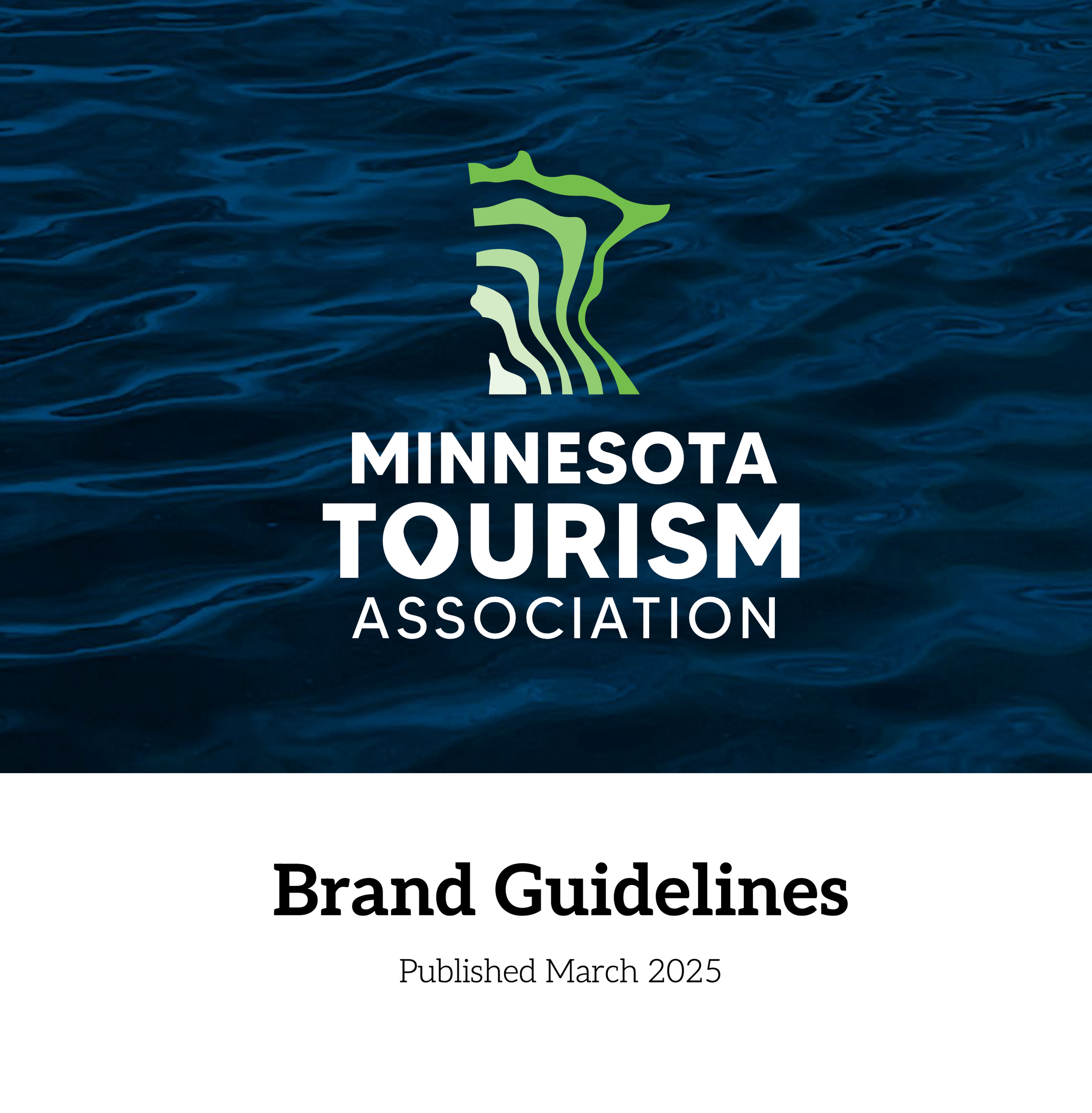
Click the image above for an example of a brand guideline.
A well-strategized brand guidelines also includes your vision, mission, brand details, tone and personality details, photo style guidelines, illustration style, patterns available, “brand in action” examples like ads or swag, and any other brand-specific details that are relevant to your organization.
But why are brand guidelines important?
Reduces decision fatigue. You don’t have to keep making decisions about what colors you use or fonts… You have a brand system to work within
Consistency = trust. There will be no question about what your brand stands for or wht they are marketing based on the platform or topic.
Alignment and clarity throughout the organization. It’s easy to move fast on projects when the foundations are agreed upon and approved.
Design and creativity actually thrive with boundaries. Watch your team be more creative when they understand the boundaries they can work within.
2. Brand Pillars:
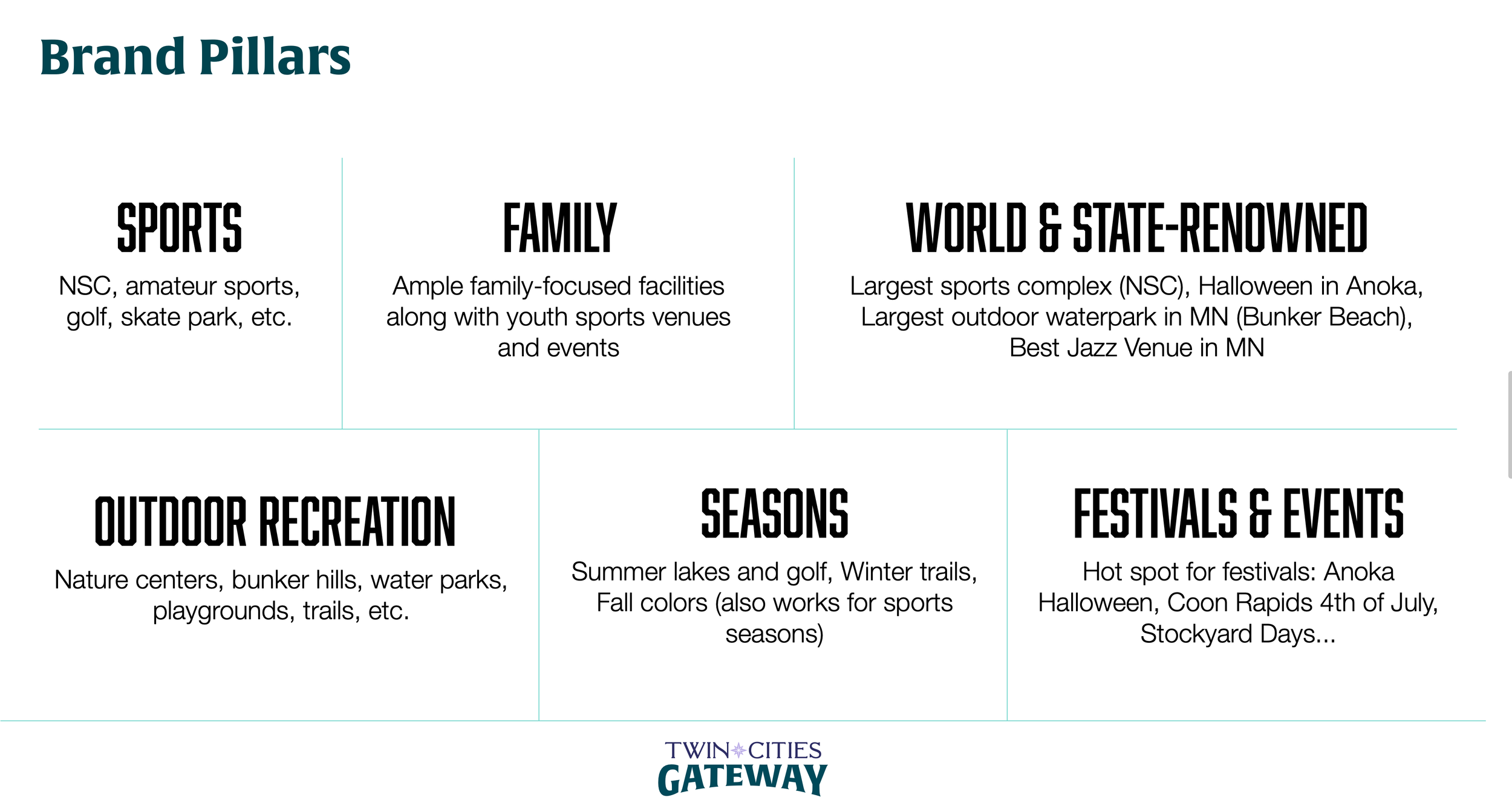
Your destination’s brand pillars are the things your community does best. We know your city has parks, food, breweries, hotels, shopping… but what is it about your destination that would be a main visitation driver? What does your destination specialize in?
You cannot be everything for everyone (as much as your board or city officials may want to be).
For example, your destination may be known for hosting an array of youth sports activities; therefore, you might have “Youth Sports” as a pillar. Within that pillar, you can define the hotels, parks, restaurants, and shopping options for those people who would be in town for those sporting activities. This way, your partners and local businesses all fit into your brand pillars strategically, but your destination foundation isn’t built directly on businesses that could close tomorrow.
How to use destination brand pillars?
Write content that promotes each pillar and make sure you are cycling through each pillar to promote all areas of your destination
Plan photo/video shoots that fill your content engine to promote all pillars
Use these to guide content for your print guide and blog
Decide how partners fall into all categories and create campaigns for each category to promote those partners all year
For example:
3. Brand Asset Library:
Isn’t it amazing how quickly the downloads folder or desktop of your computer gets filled up with files you always meant to set time aside to organize?
Your brand asset library is a library of digital brand assets to support your guidelines. This would include all final and working files for reference.
Along with your colors, logos, fonts, and photos, you could look at expanding or including the following:
Patterns
Icons
Gradients
Templates (social media, ads, etc)
Marketing Collateral
Tints/Shades of your primary and secondary colors
Videos and b-roll
Team headshots and lifestyle office photos
Partner logos, photos, files, etc.
Take a moment to do some digital decluttering and create an easy-to-use folder structure of all your brand assets. Then, decide which of those files need to be public or accessible by people who do not have access to your computer, and create a usable cloud-based file structure to be able to easily share and keep updated.
4. A Calendar
Not all creative work is visual. Creativity truly is in strategy, consistency, and the willingness to evolve and adjust. Brand work can be easy to forget about, and having a recurring meeting with the stakeholders is the best way to keep the brand fresh and accurate.
One question that will come into play when thinking about this process is, “Who leads the charge for this on your team?” Do you have one person on your team who is in charge of the brand? Who leads these discussions and ensures the brand is not forgotten?
Create a quarterly schedule and meeting to revisit your brand assets and guidelines. What needs to adjust? What isn’t working? What do we need more of?
Ideas for topics for the brand meeting:
Reread the brand guidelines. Is it still accurate?
Brand + Content alignment conversation
Do we have updated photos and videos that reflect our brand?
How can we grow and prioritize brand this coming quarter?
Do we need new brand assets?
Update your public Brand Asset Library
5. Some solid destination swag or merch
Let’s be real, everyone loves some good, quality swag.
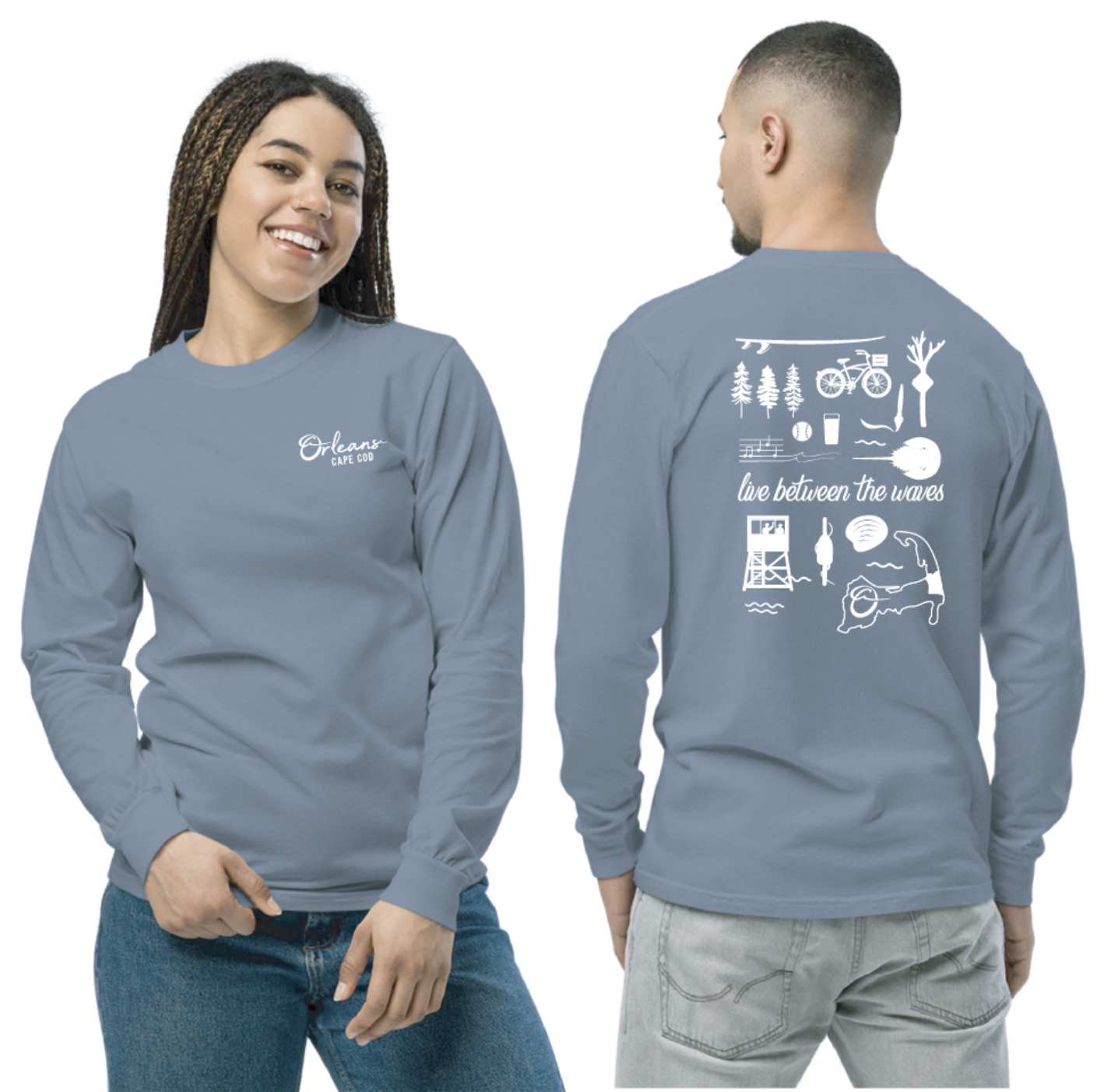
The Orleans Chamber of Commerces uses their “Orleans Cape Cod” logo on theirs swag and sells it at local markets and their visitor center.
Creating community pride is an important element of tourism. Our role is to promote visitation to your destination and to promote businesses within your destination.
What better way then having some meaningful and intentional
Key parts?
High quality, unique or highly custom to your destination
Partner with local businesses
Candle pouring company? Create a custom scent
Embroidered stocking or baseball caps created locally
Is your destination known for a certain type of food? How do you create an item of swag that highlights it? Like little bags of popcorn or a small bottle of a restaurants signature sauce.
Design swag that promotes your location, not your organization name.
What now?
The first step is ensuring you have a person on your team that is in charge of leading your brand, then take time to intentionally work through your brand kit to see where there is room for growth. It takes time and deserves your energy to truly grow into a brand your proud to represent.
If you are looking for more support with this in your own organization, feel free to reach out for a free brand audit with me!
Happy branding! 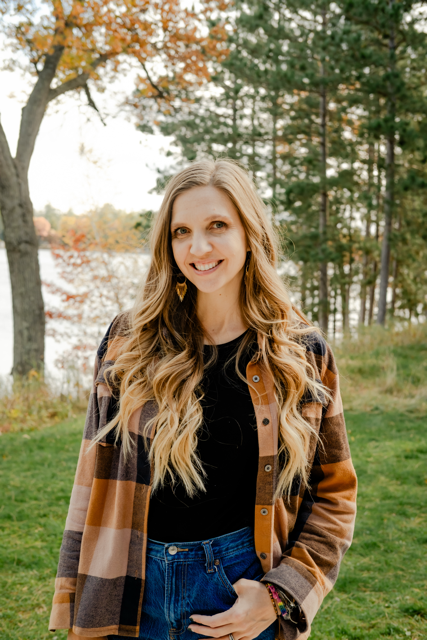
Hello there!I’m Emily, a creative director, graphic designer, all-around visual storyteller, and owner of Sondery Studio with 15+ years of experience bringing brands to life for tourism organizations and small businesses. Think of me as the person who turns ideas into experiences: blending brand strategy, print and digital design, experiential moments, videography, photography, web design, and even the perfect piece of swag into one cohesive story.
Having worked across the full spectrum of day-to-day design to the big-picture strategy, nothing lights me up more than watching a brand click into place with clarity and consistency, giving the humans behind the brand the confidence they need to promote their destination or business.
You can count on me as your go-to creative partner: a visual storyteller, print enthusiast, brand builder, and Jane of all creative trades who’s ready to take the creative load off your plate so you can focus on what you do best. I believe brands should feel like something, and I’m here to help yours come alive through every touchpoint with purpose and a little bit of magic.
Some fun facts:
📍 Born in Wisconsin, but currently live in Saint Paul, Minnesota
🧳 Worked for Visit Saint Paul as their in-house creative for 5 years and have been working in the tourism industry ever since
🏄🏼♀️ Owns more paddleboards than she cares to admit… but uses them all!
👧🏼👦🏼🐶 Mama to 2 humans and 1 pup
🪴 Ask me about my garden or my houseplants.